Capture the Season: Designing with the Autumn Leaves Font
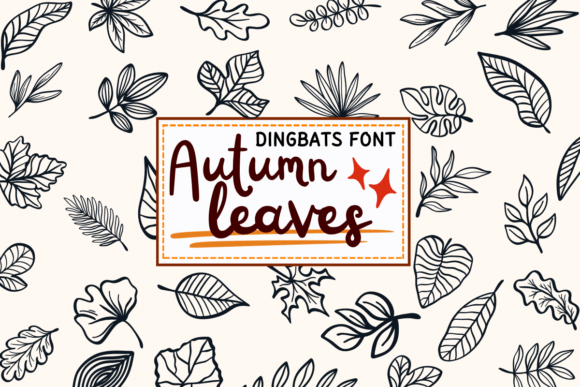
There is a specific energy that arrives when the air turns crisp and the sunlight gets that golden-hour tint. It’s a feeling of warmth, nostalgia, and organic beauty. For designers and creatives, capturing that ephemeral mood often requires more than just a color palette of burnt orange and deep burgundy; it requires typography that speaks the same language. Enter Autumn Leaves, a dingbats font that doesn't just sit on the page but brings a distinct, hand-drawn character to your work. If you are tired of generic clip art and rigid vector graphics, this sketch-style typeface offers a refreshing, tactile alternative for your design assets.
The Visual Character of Autumn Leaves
At its core, Autumn Leaves is a creative font that functions as a visual translator for the fall season. Unlike a standard serif font or sans serif font used for body text, a dingbats font relies on symbols rather than alphanumeric characters. When you strike a key, you don’t get a letter "A"; you get a detailed illustration of a falling maple leaf, a bare branch, or a textured acorn.
The defining characteristic of this typeface is its sketch style. It mimics the imperfections of hand-drawing. You can almost see the grain of the paper and the movement of the pen in the glyph outlines. This gives the font a personality that is approachable, artisanal, and deeply authentic. It avoids the sterile perfection of digital vectors. Instead, it embraces the "wabi-sabi" aesthetic—finding beauty in imperfection. This makes it an ideal tool for projects where you want to convey warmth, comfort, and a human touch.
Practical Applications: From Wedding Invitations to Branding
Understanding the visual appeal of a premium font is one thing; knowing how to deploy it effectively is another. The versatility of Autumn Leaves allows it to bridge the gap between personal crafts and professional commercial design. Here is how different creatives can leverage this unique typeface.
Editorial Design and Publishing
For bloggers and publishers, visual hierarchy is key to keeping readers engaged. If you are running a lifestyle blog, a food magazine, or a seasonal newsletter, generic bullet points can feel uninspired. Autumn Leaves offers a solution. By using the font for drop caps, dividers, or list icons, you can instantly inject personality into your editorial design. Imagine a "Top 10 Pumpkin Recipes" list where the bullet points are small, sketched pumpkins or leaves. It breaks the monotony of the text and reinforces the thematic content without overwhelming the reader.
DIY, Crafts, and Physical Decor
The font shines brightest in the realm of physical goods and DIY projects. Because the aesthetic is rooted in a sketch style, it pairs beautifully with textured papers and matte finishes. Consider using Autumn Leaves for:
- Wedding Invitations: Particularly for rustic, barn, or forest-themed weddings. The font can serve as a background pattern or corner accents to frame the serif font carrying the event details.
- Scrapbooking and Journaling: Print the glyphs at various sizes to create custom stickers or die-cuts for memory keeping.
- Packaging Design: For small business owners selling candles, soils, or artisanal foods, the font can be used to stamp labels or create hang-tags that signal "handmade" and "natural."
Digital Presence and Brand Identity
In the digital space, standing out is about consistency and vibe. A small business owner or entrepreneur can use Autumn Leaves to build a cohesive seasonal brand identity. This isn't just about a logo design; it’s about the entire ecosystem of your brand. Use the glyphs to create custom social media graphics, Instagram highlight covers, or website icons for your "About" or "Contact" pages during the Q4 season. It signals to your audience that your brand is active, attentive to detail, and aligned with the current mood.
Design Strategy: Pairing and Readability
While Autumn Leaves is a powerful creative font, it requires a strategic approach to typography. Because it is a display font with intricate details, it is not suited for long-form body copy. Using it for paragraphs would severely hamper readability and fatigue the reader's eye. Instead, treat it as an accent or a highlighter.
Mastering Font Pairing
The success of this font relies heavily on font pairing. To create visual hierarchy, you need a strong anchor. The sketchy, organic nature of Autumn Leaves contrasts beautifully with clean, structured typefaces.
- With Serif Fonts: Pairing it with a classic serif font (like Garamond or Baskerville) creates a bridge between traditional elegance and modern, artistic flair. This works well for high-end event invitations or literary magazines.
- With Sans Serif Fonts: A clean sans serif font (like Helvetica, Montserrat, or Open Sans) provides a neutral background that lets the intricate leaf details pop. This combination is excellent for modern web design and minimalist branding where you want a touch of nature without clutter.
- With Script Fonts: Be careful here. If you pair Autumn Leaves with a highly decorative script font, you risk visual chaos. If you must use a script, ensure it is a legible, casual handwritten font rather than an elaborate calligraphy style.
Technical Considerations for Professional Use
Before integrating any new typeface into your workflow, a professional designer must evaluate the technical specifications and licensing. Autumn Leaves is designed as a premium font, meaning it typically comes with features that free alternatives lack.
First, check the glyph variety. A high-quality dingbats font shouldn't just repeat the same image. You want to see variations in the leaves—different species, different levels of decay, different angles. This variety prevents the design from looking repetitive and "digital."
Second, consider commercial licensing. If you are a small business owner using the font to create merchandise (like t-shirts or mugs) or using it in a logo for a client, you must ensure your license covers commercial use. Most premium font licenses distinguish between personal use (hobby projects) and commercial use (anything generating revenue).
Finally, test for scalability. A sketch style can sometimes lose its charm when scaled down too small, causing the lines to blur or "bleed" together. Print a test page at various sizes to ensure the leaf details remain crisp whether they are used as a massive header element or a tiny footer icon.
Conclusion
In a market saturated with slick, corporate sans-serifs, Autumn Leaves