Embroidery Stitch: A Digital Font with Handmade Soul
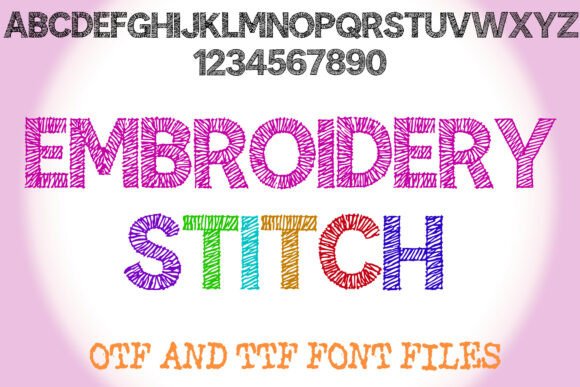
There’s a particular warmth that comes from the texture of a hand-stitched piece. The slightly uneven lines, the tangible presence of thread on fabric—it conveys care, tradition, and a human touch. The Embroidery Stitch font captures that exact feeling and translates it into a versatile digital asset. It’s not just a typeface; it’s a bridge between the analog craft we love and the digital projects we create every day. Each character is constructed from what appears to be textured, thread-like strokes, giving the entire alphabet a distinct, tactile personality.
Understanding the Visual Character of the Typeface
At its core, the Embroidery Stitch typeface is a display font designed for impact and charm, not for body copy. Its visual identity is built on imitation. The lines that form each letter mimic the look of backstitch or chain stitch, often with a slight gap where a needle might pull through. This creates an immediate sense of dimension and craft. Unlike a clean sans serif font or a classic serif font, its texture is the main event. The personality it projects is friendly, nostalgic, and playful, making it a fantastic tool for injecting warmth into a design that might otherwise feel cold or overly corporate.
This style fits neatly into a broader trend in modern typography where designers seek out fonts with authentic, handmade qualities. It stands apart from a standard handwritten font or script font by offering a more structured, craft-oriented aesthetic. Where a script might suggest quick, flowing notes, Embroidery Stitch suggests a dedicated project, a weekend of creativity, or a cherished heirloom. It’s a creative font that tells a story before you even read the words.
Where This Font Truly Shines: Practical Applications
Choosing the right typeface is about matching tone to intent. The Embroidery Stitch font excels in specific contexts where its unique character adds value without overwhelming the message. Think about projects where you want to evoke a sense of the handmade, the cozy, or the whimsically crafted.
Branding and Packaging Design
For small businesses, especially those in the handmade, artisanal, or children's product space, this font can become a cornerstone of brand identity. Imagine it on the logo for a local yarn shop, a children’s boutique, or a specialty bakery. It instantly communicates a brand story of care and craftsmanship. In packaging design, it’s perfect for product labels, hang tags, and box graphics. Using it for a product name on a jar of homemade jam or on the header of a sewing pattern sets the perfect expectation for the customer.
Digital and Editorial Projects
In the digital realm, its strengths are in headers and callouts. For a craft blog, it’s an obvious choice for post titles and section headings, immediately aligning the visual design with the content. In social media graphics, it can make quotes, announcements, or sale promotions stand out in a busy feed. For editorial design, such as in a magazine layout about DIY home decor or a children’s activity book, it adds a layer of thematic detail that enhances the reading experience. It’s less suited for long-form web copy or mobile app interfaces where clarity at small sizes is paramount.
Personal and Creative Endeavors
Beyond commercial use, this font is a joy for personal projects. Designing a custom birthday card, creating a family recipe book, or making party invitations becomes more special with its stitched aesthetic. It’s a premium font that pays for itself in the unique character it brings to personal design assets.
Making It Work: Guidance for Designers and Creators
Integrating a distinctive font like Embroidery Stitch into your workflow requires a bit of strategy to ensure it enhances rather than hinders your design.
Evaluating Readability and Hierarchy
The primary role of this font is as a headline or accent. Its textured detail can reduce legibility at small sizes or in long paragraphs. Always prioritize readability. Use it for short, high-impact text: a brand name, a product title, a chapter heading. For body text, pair it with a highly readable serif font or sans serif font. This creates a clear visual hierarchy, where the Embroidery Stitch draws the eye to key information, and the supporting font handles the detailed reading.
Testing Font Pairings
A great font pairing feels balanced. The textured, decorative nature of Embroidery Stitch pairs best with something clean and neutral. A simple sans serif like Montserrat or Lato provides a modern contrast. A gentle serif like Lora or Merriweather can complement its warmth without competing. Avoid pairing it with other highly stylized fonts, like another ornate script or a bold display face, as this can create visual clutter and weaken the overall design.
Considering Commercial Licensing
If you plan to use this font for client work, merchandise, or any commercial application, verify the licensing terms. Most commercial font licenses are straightforward, but it’s essential to ensure the one you purchase covers your intended use—whether for digital ads, printed merchandise, or logo design. Treating font licensing as a standard part of your project budget is a mark of professionalism.
Leveraging Included Styles
Many premium font families include alternate characters, ligatures, or stylistic sets. Explore these options. The Embroidery Stitch font might offer different stitch patterns, uppercase and lowercase variations, or decorative elements that can add even more custom flair to your designs. Taking the time to review the full character map can unlock new creative possibilities.
Ultimately, the Embroidery Stitch font is a specialized tool. Its value lies in its ability to evoke a specific, positive emotional response. When used thoughtfully, it can elevate a design from merely informational to truly engaging, connecting with an audience that appreciates the beauty of craft and the comfort of the handmade. It’s a testament to how the right typeface