Tarot: Weaving Celestial Magic into Your Design Projects
There are times when a design calls for more than just clean lines and modern minimalism. Sometimes, you need a typeface that whispers of mystery, that carries the weight of ancient symbols, or that simply sparkles with a touch of whimsy. This is precisely where the Tarot font excels. Far from being just another decorative option, Tarot is a premium font that brings a distinct celestial personality to any creative endeavor.
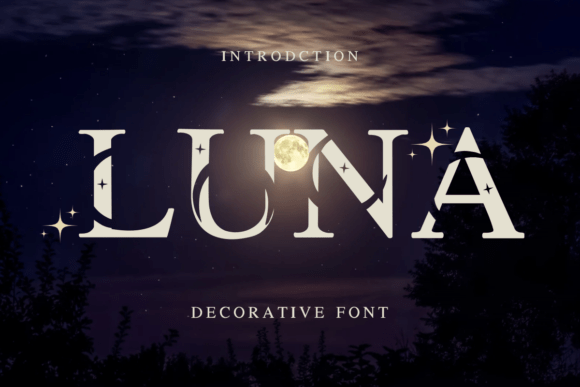
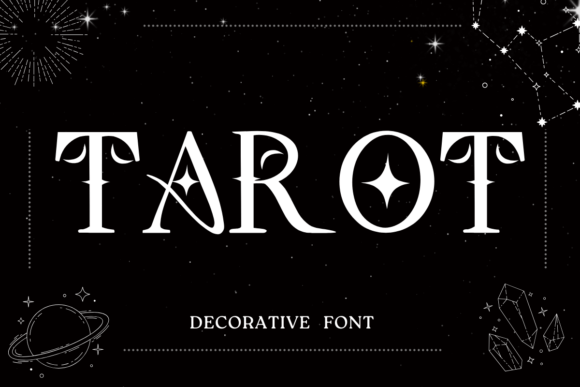
At its core, Tarot is a serif font, but it immediately sets itself apart from traditional serif typefaces through its playful and ornate details. Imagine elegant letterforms adorned with subtle stars, half-moons, and other mystical accents. These aren't just random decorations; they are integrated into the design of the glyphs themselves, creating a cohesive visual language that feels both magical and refined. The overall appeal is one of enchantment—it’s a typeface that doesn’t just convey words but evokes a feeling of fantasy, nighttime wonder, and esoteric knowledge.
Where Tarot Truly Shines: Applications and Use Cases
Understanding a font's personality is one thing; knowing where to deploy it effectively is another. Tarot’s unique style makes it a powerful tool in specific contexts, but it requires thoughtful application.
Branding and Logo Design
For businesses with a mystical, bohemian, or whimsical brand identity, Tarot can be a cornerstone asset. Think of a boutique astrology service, a metaphysical shop, a fantasy author’s personal brand, or a line of artisanal teas with celestial names. Using Tarot in a logo design instantly communicates the brand's core aesthetic. It works beautifully as a standalone wordmark or paired with a simpler sans serif font for body text. The key is ensuring the brand's entire visual system—from color palette to imagery—complements the font's ornate nature, creating a consistent and recognizable brand identity.
Editorial and Publishing
In editorial design, Tarot finds its home in specific niches. It’s perfect for chapter headings in fantasy novels, title treatments for magazine features on spirituality or mythology, or the masthead of a zine dedicated to witchcraft and the occult. For publishers, using Tarot as a display font on a book cover can set the perfect tone before a single page is turned. However, its intricate details make it unsuitable for long-form body text, where readability is paramount. Always pair it with a clean, legible serif or sans serif font for the main content.
Marketing and Digital Media
Visual platforms are where Tarot can generate significant engagement. Social media graphics for Instagram stories, Pinterest pins, or YouTube thumbnails can leverage its distinctive look to stop the scroll. It’s ideal for creating eye-catching headlines for promotions related to spiritual retreats, full moon ceremonies, or magical product launches. On the web, it can be used sparingly in hero sections or as a decorative element in web design, but careful attention must be paid to file size and loading times, as ornate display fonts can be heavier than their simpler counterparts.
Packaging and Physical Products
The tactile world of packaging design is another natural fit. Imagine Tarot gracing the label of a craft gin bottle with botanical illustrations, the packaging for a handmade candle with celestial scents, or the sleeve of a vinyl record for a dream-pop band. Its elegance and whimsy can elevate a product from ordinary to extraordinary, creating an unboxing experience that feels special and curated. For crafters and hobbyists, it’s a fantastic asset for creating custom invitations, greeting cards, or planners with a magical theme.
Practical Guidance: Choosing and Using Tarot Wisely
Adding a creative font like Tarot to your toolkit is exciting, but a strategic approach ensures it enhances rather than hinders your projects.
Evaluating Project Fit and Readability
Before you commit, ask: Does this project’s personality align with Tarot’s celestial vibe? If you’re designing for a corporate law firm or a medical clinic, this is likely not the right choice. Its strength lies in projects that embrace fantasy, spirituality, or a specific retro-whimsical aesthetic. Always conduct a readability test. Set a headline in Tarot and ask: Can it be read quickly at a glance? The decorative elements should not obscure the letterforms. For digital use, ensure it remains legible at smaller sizes on mobile screens.
Mastering Font Pairing
The success of Tarot often hinges on its pairing. Since it is a highly stylized display font, it demands a partner that provides contrast and calm. A clean, geometric sans serif font creates a modern, balanced look. A classic, readable serif font can offer a more traditional, bookish feel. Avoid pairing it with other ornate script or handwritten fonts, as this will create visual chaos. The goal is to let Tarot be the star of the show while its partner ensures clarity and professionalism in supporting text.
Understanding Your Assets: Styles and Licensing
When you acquire the Tarot font, review what’s included. Does it come with multiple weights or styles (e.g., regular, bold, italic)? Are there alternate character sets or additional glyphs? Understanding your full set of design assets allows for more creative flexibility. Crucially, verify the commercial font licensing. If you’re using it for a client project, a product for sale, or a monetized website, you need a license that permits commercial use. Respecting font licensing is a fundamental part of professional practice.
Tarot is more than just a typeface; it’s a mood, an atmosphere, a piece of visual storytelling. When used with intention and expertise, it can transform a simple design into something that feels truly magical, helping your project connect with an audience that appreciates its unique celestial charm. It’s a testament to how the right typography can do more than present information—it can create an experience.