Black Forrest: A Typeface for Timeless, Ornate Storytelling
When you encounter a font like Black Forrest, you’re not just looking at letters—you’re meeting a personality. This decorative typeface doesn’t whisper; it makes a statement. With its blend of gothic elegance and vintage script influences, Black Forest carries the weight of old fairy tales and the sophistication of 1900s fancy lettering. It’s the kind of premium font that immediately sets a tone, whether you’re designing a book cover, crafting a brand identity, or creating an invitation that needs to feel both magical and luxurious.
The Visual Character of Black Forest
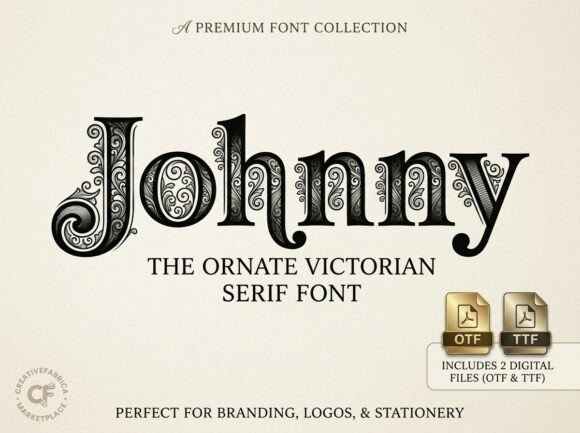
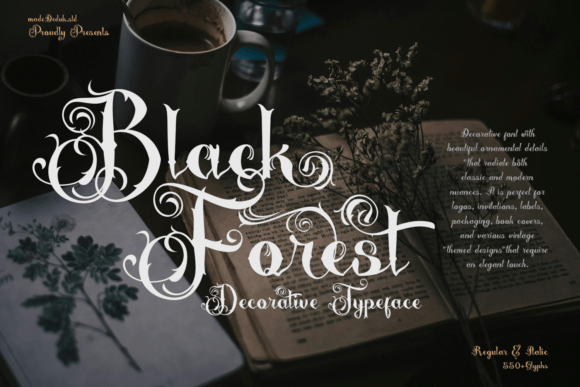
Black Forrest is built on contrast and detail. Its bold strokes give it presence, while the intricate swashes and curls add a layer of ornamentation that feels handcrafted. The serif font foundations provide structure, but the decorative elements pull it toward a script font aesthetic—making it a versatile hybrid for designers who want elegance without sacrificing readability at larger sizes. The included Regular and Italic styles offer flexibility, while the over 550 glyphs open up possibilities for multilingual projects and custom typographic treatments.
What makes this creative font stand out is its ability to feel both classic and fantastical. It doesn’t look like a modern reinterpretation; it feels like something pulled from a vintage storybook or a turn-of-the-century label. That authenticity is key for projects aiming to evoke nostalgia, fantasy, or a sense of timeless craftsmanship.
Where Black Forest Truly Shines
Not every font works for every project, and that’s a good thing. Black Forest isn’t a sans serif font for minimalist websites or a modern typography choice for tech startups. Its strength lies in applications where visual storytelling and emotional resonance are the goals.
For logo design, Black Forest can anchor a brand identity that needs to convey heritage, luxury, or whimsy. Think boutique bakeries, craft distilleries, fantasy-themed shops, or high-end jewelry brands. In packaging design, it works beautifully on labels for artisanal products—coffee, chocolates, teas, or specialty spirits—where the packaging itself is part of the product’s story.
In editorial design and publishing, this typeface is a natural fit for book covers in genres like historical fiction, fantasy, romance, or mystery. The ornate details can set the mood before a reader even opens the first page. For wedding invitations, event stationery, or luxury branding materials, Black Forest adds a layer of formality and charm that feels personal and curated.
Even in digital spaces, where web design often leans toward clean sans serifs, Black Forest can serve as a striking display font for headers, hero text, or social media graphics. Used sparingly, it can create visual hierarchy and draw attention without overwhelming a layout. The key is understanding its role: it’s a headline font, a logo font, an accent font—not a body text workhorse.
Practical Guidance for Using This Ornate Typeface
Choosing a decorative font like Black Forest requires a bit of strategy. Start by evaluating your project’s tone and audience. If your goal is to communicate modernity, minimalism, or technical precision, this probably isn’t the right fit. But if you’re aiming for warmth, tradition, fantasy, or artisanal quality, it’s worth exploring.
One of the most important considerations is font pairing. Black Forest’s ornate details mean it pairs best with cleaner, more neutral typefaces. A simple sans serif font for body text can provide balance, allowing the decorative elements to stand out without creating visual chaos. Test combinations in your actual design context—what looks good in a font specimen sheet might feel different in a crowded layout.
Readability is another key factor. While Black Forest is legible at display sizes, its intricate details can become muddy at smaller point sizes or low resolutions. Always test your designs at the intended output size, whether it’s a printed poster or a mobile screen. The Italic style can offer a slightly softer alternative for secondary text, but it’s still best used for headlines or short phrases.
If you’re considering Black Forest for commercial projects, review the licensing terms carefully. Most commercial font licenses cover a wide range of uses, but it’s wise to confirm that your specific application—whether it’s a product label, a website, or a printed book—is included. Also, explore the full glyph set; with over 550 characters, there may be alternates, ligatures, or ornaments that can elevate your design further.
Finally, think about consistency. If you’re building a brand identity, Black Forest should be part of a larger typographic system. Use it for key touchpoints—logos, headlines, special callouts—while relying on more versatile fonts for everyday communications. This approach maintains the font’s impact while ensuring your brand remains functional and cohesive across all platforms.
In the end, Black Forest is more than just a display font; it’s a design asset with character. Used thoughtfully, it can transform ordinary projects into memorable visual experiences that resonate with your audience and elevate your creative work.