Vine N.001: Crafting Organic Brand Identities
There is a distinct shift happening in modern typography. For years, we were dominated by the stark minimalism of geometric sans serif fonts and the cold precision of digital interfaces. Now, there is a hunger for texture, warmth, and the imperfect beauty of the natural world. This is where Vine N.001 steps in. It isn't just another decorative font; it is a botanical typeface that breathes life into flat screens and static pages. If you are a designer, entrepreneur, or content creator looking to bridge the gap between digital precision and organic charm, understanding how to wield this unique asset is essential.
The Visual Personality of Vine N.001
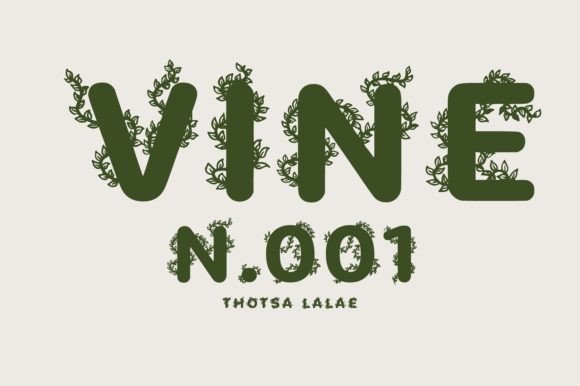
When you first look at Vine N.001, the immediate impression is one of lush, intertwined growth. It functions beautifully as a display font, meaning it is designed to be used at larger sizes where its intricate details can truly shine. The visual characteristics of this creative font are defined by fluid strokes that mimic the organic movement of plants. Unlike a standard script font, which might feel like cursive handwriting, or a rigid serif font, Vine N.001 feels cultivated. It suggests tendrils and leaves without being overly literal or cartoonish.
This typeface strikes a delicate balance. It possesses the elegance required for high-end branding but retains the approachability needed for personal projects. The "personality" of the font is gentle, romantic, and deeply rooted in nature. It avoids the aggressive sales pitch of bold marketing fonts, opting instead for a whisper that draws the viewer in closer. For those working on brand identity, this font offers a way to signal that a product is artisanal, eco-conscious, or derived from nature. It is a premium font that brings a sophisticated botanical flair to the table, making it perfect for brands that want to stand out from the industrial aesthetic of standard corporate typography.
Where Nature Meets Strategy: Practical Applications
The true value of a typeface lies in its application. Vine N.001 is a versatile design asset, but like any specialized tool, it works best when used in the right context. Its strength lies in its ability to act as a focal point.
- Logo Design and Brand Identity: This is the sweet spot for Vine N.001. If you are building a brand for a florist, a sustainable skincare line, a boutique tea shop, or a yoga studio, this font communicates your values instantly. It builds brand perception before the customer even reads the tagline. Using it for your primary wordmark ensures recognition and sets a tone of natural elegance.
- Packaging Design: In the crowded space of retail shelves, packaging design needs to pop. Vine N.001 adds a tactile quality to labels. It works exceptionally well on textured paper stocks or embossed finishes where the letterforms can interact with physical light and shadow.
- Editorial and Publishing: For editorial design, specifically in magazines or book covers related to lifestyle, gardening, or wellness, this typeface creates a strong visual hierarchy. Use it for pull quotes or chapter titles to break up the monotony of body text. It provides a necessary visual rest that feels organic and refreshing.
- Digital and Web Design: While you wouldn't use a decorative font for body copy, Vine N.001 excels in hero sections of web design. It grabs attention immediately. It is also highly effective for social media graphics, particularly for Instagram stories or Pinterest pins where visual impact determines engagement rates.
The Art of Font Pairing
One of the most common mistakes I see in design is treating a display font as a standalone solution. Vine N.001 is a star player, but it needs a supporting cast to ensure readability. Because it is a botanical display typeface, using it for paragraphs would be illegible and exhausting for the reader.
To create a cohesive layout, you need to master font pairing. The goal is contrast without conflict.
- Pair with a Clean Sans Serif: The organic complexity of Vine N.001 pairs beautifully with a geometric or clean sans serif font. The simplicity of the sans serif allows the botanical details of the vine to breathe. This combination works well for web design and modern branding where you want to feel "natural" but also "professional."
- Pair with a Traditional Serif: For a more vintage or editorial look, combine Vine N.001 with a classic serif font. This evokes a feeling of history and established authority, suitable for luxury packaging or high-end magazine layouts.
- Avoid Pairing with Other Scripts: Do not pair this font with another handwritten font or heavy script. The visual styles will compete for attention, creating a chaotic and unprofessional layout. Keep the decorations to the headline and let the body text be functional.
Professionalism and Audience Engagement
Why does font choice matter so much? It comes down to psychology and audience engagement. When a visitor lands on your site or picks up your product, the typography is the first filter. If the font is generic, the brand feels generic. If the font is chaotic, the brand feels untrustworthy.
Using a high-quality commercial font like Vine N.001 signals professionalism. It shows that you have invested in your visual assets. For your target audience—whether they are millennial shoppers, Gen Z trendsetters, or established business owners—this investment translates to trust. A well-chosen typeface creates consistency across all touchpoints. From your business cards to your email headers, using Vine N.001 consistently helps solidify your brand identity in the minds of your customers.
Practical Guidance for Implementation
Before you commit to using Vine N.001 in your next big project, here is a checklist to ensure you get the most out of this premium font:
- Evaluate the Project Fit: Does the project require a nature-centric vibe? If you are designing for a tech startup or a law firm, Vine N.001 is likely the wrong choice. However, for lifestyle, food, beauty, or wellness industries, it is a perfect fit.
- Check the Styles: Review what is included in the font family. Does it come with alternative glyphs or ligatures? These extra characters can add variety to your logo design, allowing you to customize specific letters to fit your layout better.
- Test for Readability: Always test the font at the size you intend to use it. While it is legible at large display sizes, ensure that the specific letters in your logo or headline are distinct. Sometimes, highly stylized letters can merge visually at smaller scales.
- Review Licensing: Ensure you understand the commercial licensing terms. If you are using this for a client’s logo or on merchandise for sale, you need a license that covers commercial use. This protects you legally and supports the type designers who created the asset.
Ultimately, Vine N.001 is more than just a collection of vector paths; it is a tool for storytelling. It allows designers, entrepreneurs, and content creators to infuse their work with the timeless beauty of the botanical world. By applying it thoughtfully to your brand identity, packaging, and digital presence, you can transform a standard project into something that feels truly alive. Add it to your toolkit, pair it wisely, and let your designs grow.