Typographer Fraktur: A Guide to This Bold Display Font
If you work in design, publishing, or creative branding, you know the power of a typeface with character. Some fonts are built for long-form reading, designed to disappear into the background. Others are meant to perform. Typographer Fraktur is a distinct blackletter font built for performance. It brings a sense of history, weight, and drama to any project it touches. Created by Peter Wiegel, this typeface is a modern take on traditional Gothic script, offering a powerful tool for anyone looking to make a strong visual statement.
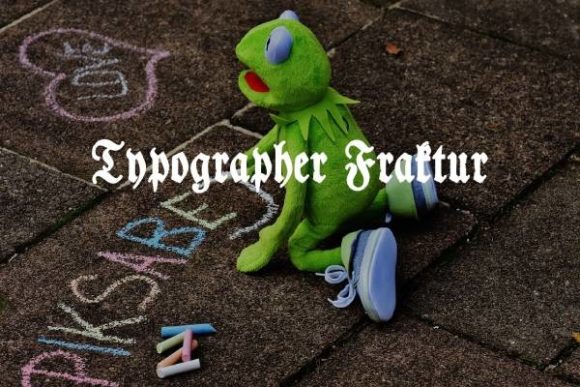
At its core, Typographer Fraktur is a premium font designed for display use. Think of it as a specialized tool in your design assets library, not a workhorse for body text. Its visual personality is rooted in the blackletter tradition, featuring sharp, angular strokes, high contrast, and an intricate, calligraphic feel. The letters have a strong vertical emphasis, giving words set in this typeface a sense of formality and importance. It feels historical, authoritative, and undeniably bold. This isn't a subtle choice; it's a creative font that demands attention and sets a specific tone. Its appeal lies in its ability to instantly transport a design to a different era or evoke a specific mood, from medieval elegance to gothic edge.
Where This Creative Font Truly Shines
Understanding where Typographer Fraktur works best is key to using it effectively. Its ornate nature makes it unsuitable for small body copy or user interface text. However, its strengths are immense when applied correctly across a range of projects.
Branding and Logo Design
For brands that want to project heritage, craftsmanship, or a dark, sophisticated aesthetic, Typographer Fraktur is an excellent choice for a wordmark or logo. It works beautifully for craft breweries, artisan bakeries, historical societies, tattoo parlors, high-end barbershops, or any brand with a story rooted in tradition. Its strong visual presence ensures your brand identity is memorable and distinct. When used in packaging design, it can instantly communicate a product's premium quality or artisanal origin.
Editorial and Publishing Design
In the world of publishing, this font is perfect for creating striking chapter headings, title pages, or drop caps. It can add a layer of visual storytelling to a novel, a history book, or a magazine feature. For bloggers and content creators, using Typographer Fraktur for main article titles or section headers can create a powerful visual hierarchy, drawing the reader's eye and establishing a unique editorial voice. It’s a fantastic way to break from the sea of modern typography and give your publication a memorable edge.
Digital and Print Marketing
On social media graphics, a bold heading in Typographer Fraktur can stop the scroll. It’s perfect for creating impactful quotes, announcing events, or promoting a product with a strong visual identity. Think about a poster for a music festival, a flyer for a historical reenactment, or an invitation to a formal event. In web design, it should be used sparingly for major headlines or hero text to avoid readability issues, but when used well, it can define the entire aesthetic of a site.
Practical Guidance for Using Typographer Fraktur
Simply liking the look of a font isn't enough. To use it effectively, you need to consider how it will function within your specific project. Here’s some practical advice for evaluating and implementing this typeface.
Evaluating Project Fit and Readability
First, ask yourself if the font’s personality aligns with your project’s message. Typographer Fraktur conveys tradition and authority. If your brand is modern, minimalist, or playful, this font will create a disconnect. Always consider your audience. Readability is paramount. Because it is a complex display font, it performs best at larger sizes. Test it at the intended size to ensure the intricate letterforms don’t blur together. Its high contrast can also be a challenge on low-resolution screens, so for web design, ensure it’s used for large, impactful headings rather than navigational links.
Mastering Font Pairing
A display font like Typographer Fraktur rarely works alone. The key to a professional design is pairing it with a more neutral, legible typeface. A clean sans serif font is often an excellent partner. The simplicity of a sans serif provides a visual rest and ensures that supporting text, like subheadings or body copy, is easy to read. A classic serif font can also work, especially if you want to lean into a more traditional, literary feel. The contrast between the ornate Fraktur and a simple companion creates a dynamic and balanced visual hierarchy. Avoid pairing it with other decorative fonts, like a script font or another highly stylized handwritten font, as this will create visual chaos.
Leveraging Its Features and Licensing
One of the most practical features of this font is that it is PUA encoded. This stands for Private Use Area, and it means that all of the font’s special characters, ligatures, and swashes are easily accessible. You don’t need advanced design software to use them. This allows you to add flourishes and unique letter variations to customize your text, which is especially useful for logo design and special headings. Before purchasing any commercial font, always review the license. Ensure it covers your intended use, whether for a personal project, a client’s brand, or a product you plan to sell. A clear understanding of the licensing protects you and respects the work of the type designer.
Typographer Fraktur is more than just a collection of letters; it's a powerful design asset with a distinct voice. Used thoughtfully, it can elevate a project from ordinary to unforgettable, lending it a sense of history, authority, and undeniable style. Its value lies not in its versatility, but in its specialization—a tool for when you need to make a bold, lasting impression.