Coconut Mocha: Your Go-To Bouncy Handwritten Font
A Warm, Inviting Typeface with a Handmade Heart
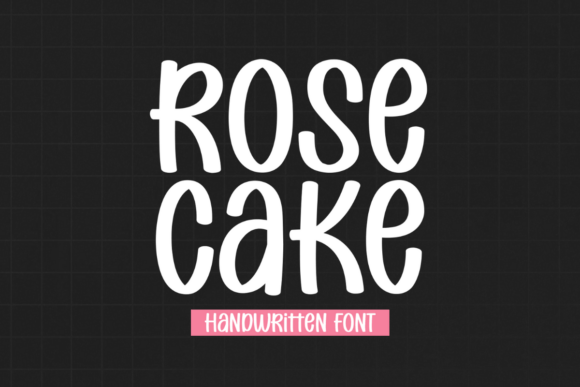
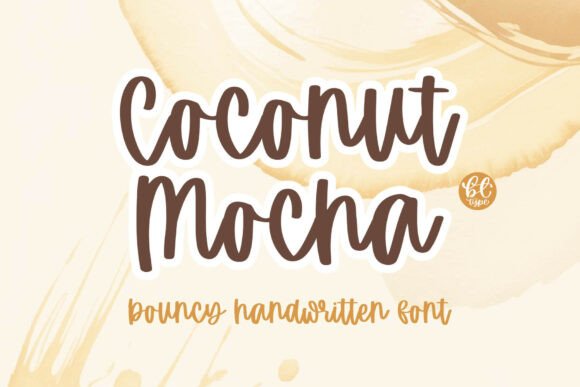
There’s a particular feeling you get when a design just feels cozy. It’s that warm, inviting quality of a favorite coffee shop or the friendly scrawl on a chalkboard menu. This is the exact personality embedded in the Coconut Mocha typeface. More than just a collection of letters, it’s a script font with a distinct, friendly character. Its visual DNA is built on thick, rounded strokes that feel substantial and soft, avoiding the scratchy look some handwritten fonts can have. The defining feature is its signature bouncy baseline, where letters dance gently above and below the line, creating a sense of playful energy and organic flow.
This modern script isn’t trying to be a formal calligraphic masterpiece. Instead, it embraces a casual, approachable aesthetic. The generous letter spacing and fluid connections between characters give it an effortless, marker-pen quality. This design choice significantly boosts its readability, a common challenge with many script fonts. It’s a typeface that doesn’t demand you squint to decipher it; instead, it welcomes you in. Think of it as the typographic equivalent of a warm smile—immediately engaging and disarming.
Where Coconut Mocha Truly Shines: Practical Applications
Understanding a font's personality is one thing, but knowing where to deploy it is where the real value lies for designers and creators. The strength of Coconut Mocha is its versatility within the sphere of friendly, approachable projects. It’s a premium font asset that works exceptionally well for specific applications.
Branding & Logo Design
For logo design, this typeface is a powerhouse for businesses that want to project warmth and authenticity. Imagine it for a local coffee roaster’s branding, a boutique bakery’s packaging, or a children’s clothing line. It instantly communicates a handmade, caring quality. When used as a primary logotype, it creates a strong brand identity that feels personal and memorable. However, a crucial consideration is context. A display font like this is perfect for a logo or headline, but for body text in a web design layout or lengthy editorial design, you’d want to pair it with a clean, readable sans serif font or a simple serif font to maintain clarity.
Digital & Print Media
In the digital realm, Coconut Mocha excels as a creative font for social media graphics. Its bouncy energy makes quotes, announcements, and Instagram stories pop with personality. It’s also ideal for crafting eye-catching YouTube thumbnails or Pinterest pins where you need to convey a cozy, lifestyle-oriented message. For print, its applications are equally rich. Think of packaging design for artisanal goods, the cover of a recipe book, or beautiful invitation suites for weddings and parties. The font’s friendly curves translate beautifully to physical products.
Crafting & Personal Projects
This is where the font’s utility becomes incredibly tangible for hobbyists and small business owners. It’s perfectly optimized for cutting machines like Cricut and Silhouette, making it a go-to for creating custom decals, stickers, and apparel. The thick strokes cut cleanly and are easy to weed. Its charm is equally at home on printable planners, custom mugs, t-shirt designs, scented candles, and personalized gifts like bridesmaid boxes. For digital artists using Procreate, it offers that authentic handwriting feel without the pressure of perfection, adding a professional yet personal touch to illustrations and lettering projects.
Integrating Coconut Mocha into Your Design Workflow
Choosing the right font is a strategic decision that influences readability, visual hierarchy, and overall brand perception. Here’s how to thoughtfully integrate a typeface like Coconut Mocha.
Evaluate the Project Fit: Before you even download, ask: Does this project’s tone match the font’s personality? A law firm’s annual report is a clear mismatch, but a vegan café’s menu is a perfect fit. The font should amplify your message, not distract from it.
Master the Font Pairing: This is critical. A handwritten font like this works best when contrasted with a neutral, structured typeface. Pair it with a geometric sans serif font like Montserrat or a friendly slab serif for headings. Use the paired font for body copy and subtitles to create a clear hierarchy. This ensures your design remains professional and legible while letting Coconut Mocha deliver its charming impact.
Leverage Its Features: When you acquire the font, explore what’s included. Many commercial font packages offer stylistic alternates, ligatures, and multiple weights. These extras can help you customize your text, avoid repetitive letter shapes, and fine-tune the look for a more unique, hand-lettered effect. Always test your chosen text in a design mockup—on a phone screen, on a mug template, or in a poster layout—to check real-world readability.
Consider the Commercial License: If you’re using this font for client work, merchandise, or any commercial venture, ensure you have the correct commercial license. This is a non-negotiable part of using design assets professionally. It protects both you and the font creator and ensures your brand identity is built on a solid, legal foundation.
Ultimately, Coconut Mocha is more than just a typeface; it’s a tool for injecting warmth, approachability, and a dash of playful sweetness into your creative work. By understanding its strengths and applying it strategically, you can elevate designs from merely functional to genuinely engaging.