Sweet Baby: A Handwritten Font for Modern Designers
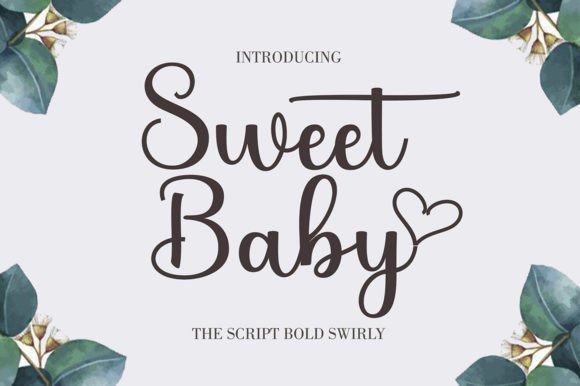
There's a certain magic in a font that feels both personal and polished. Sweet Baby is exactly that—a beautiful and light handwritten font with a unique feel and a stunning impact. It doesn't just sit on a page; it introduces itself, adding a layer of warmth and approachability that can transform a design from merely functional to genuinely memorable. For anyone crafting a brand, designing a wedding suite, or creating social media content, understanding a typeface like this is about finding a voice, not just a style.
More Than Just Pretty Letters: The Anatomy of Sweet Baby
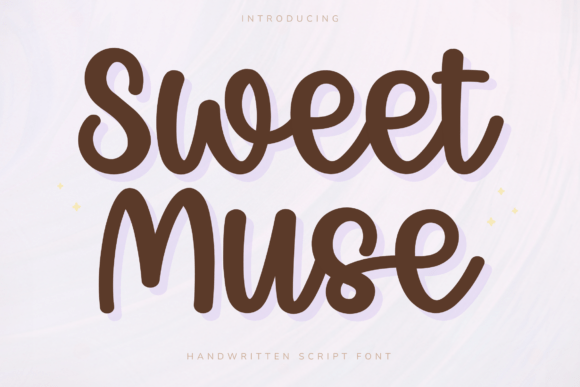
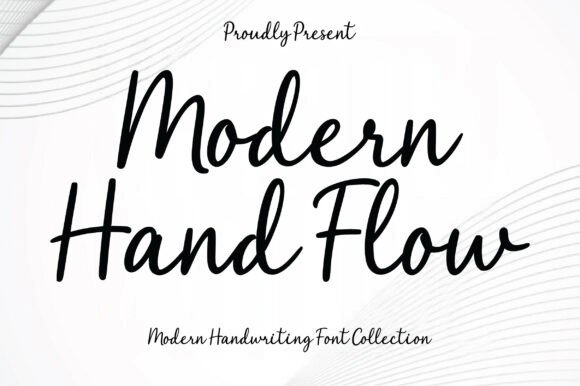
At its core, Sweet Baby is a script font, but that simple label undersells its character. Its strokes are fluid and organic, mimicking the natural rhythm of a hand moving quickly across paper. You'll notice subtle variations in thickness, giving it an authentic, human touch that a perfectly uniform digital script lacks. The letterforms are generally light and airy, avoiding the heavy, overly formal look of some calligraphic fonts. This lightness is key to its versatility, allowing it to work in both delicate, feminine designs and more contemporary, minimalist contexts. The overall personality is one of casual elegance—it's friendly without being childish, sophisticated without being stuffy.
This balance makes Sweet Baby a particularly effective display font. Its primary strength is in headlines, logos, and short, impactful text blocks where its character can shine. Imagine it on a boutique's shop front, a bakery's packaging, or the title card of a lifestyle blog. It immediately sets a tone of creativity and care.
Where Sweet Baby Truly Shines: Practical Applications
Knowing a font's personality is one thing; knowing where to deploy it is where the real skill lies. Let's move beyond theory and look at where this typeface delivers tangible value across various projects.
Brand Identity and Logo Design: This is where Sweet Baby can be a game-changer for small businesses and entrepreneurs. For brands in the wellness, beauty, artisanal food, wedding, or lifestyle spaces, it helps build an identity that feels personal and trustworthy. A logo set in Sweet Baby suggests there's a real person behind the brand who cares about quality and aesthetics. It pairs beautifully with a clean sans serif font for body text, creating a font pairing that is both dynamic and readable. Think of a logo with "Sweet Baby" for the brand name and a font like Lato or Open Sans for the tagline and contact information.
Editorial and Publishing Design: In editorial design, the font finds a home in magazines, book covers, and blog headers. It's perfect for chapter titles in a cookbook, pull quotes in a lifestyle magazine, or the title of a heartfelt personal essay. Its readability drops in long paragraphs, so it’s a strategic choice for emphasis, not for body copy. It guides the reader's eye, creating a visual hierarchy that feels organic.
Digital and Social Media: The digital space is arguably its most natural habitat. For web design, it works wonderfully for hero section headlines, call-to-action buttons, or about-us page introductions where you want to connect on a human level. On social media, it’s a powerhouse. Instagram stories, quote graphics, and promotional posts gain instant personality. Using Sweet Baby for the key message in a graphic makes it stand out in a crowded feed, boosting engagement through its visual appeal.
Packaging and Physical Products: Packaging design is all about shelf appeal and communicating brand values at a glance. Sweet Baby excels on labels for artisanal products, wedding invitations, greeting cards, and stationery. It conveys a sense of handcrafted quality, making the product feel more special and considered. For a small-batch jam maker or a custom jewelry designer, this font becomes part of the product's story.
Integrating Sweet Baby into Your Workflow: A Practical Guide
Adopting a new creative font requires a bit of strategic thinking. Here’s how to ensure Sweet Baby enhances, rather than hinders, your design process.
Evaluating Project Fit: Start by asking: Does this project require a human, personal touch? Is the audience likely to respond to warmth and authenticity? If you're designing a corporate annual report or a technical manual, Sweet Baby is the wrong tool. But for a wedding planner's website, a yoga studio's brochure, or a children's boutique, it's often the perfect choice.
Testing and Pairing: Never use a display font in isolation. Download the font and test it extensively in your design software. The most critical step is font pairing. As a script font, Sweet Baby needs a stable, highly legible partner. A classic, neutral serif font like Georgia or a modern sans serif font like Montserrat creates a harmonious balance. The rule of thumb is contrast: pair its flowing, decorative nature with something structured and simple. This ensures body text remains readable while headlines pop.
Readability and Hierarchy: Use Sweet Baby strategically for visual hierarchy. It's meant for large sizes—headlines, subheads, logos, and short phrases. Avoid using it for paragraphs, lengthy descriptions, or small legal text. Its legibility at small sizes is limited, and forcing it into that role will frustrate readers. Always test it at the intended size and on the intended medium, whether it's a phone screen or a printed card.
Licensing and Commercial Use: As a premium font, Sweet Baby comes with a license. Before using it in any commercial project—a client's logo, a product you sell, a monetized blog—ensure you have the correct license. Reputable font foundries are clear about their terms. Using a font correctly is part of maintaining professionalism and respecting the work of the type designers who create these design assets. This due diligence protects you and ensures your brand identity remains consistent and legally sound.
Ultimately, Sweet Baby is more than just another handwritten font. It's a versatile tool for adding a signature touch of modern elegance. Its value lies in its ability to communicate warmth and authenticity, making it a worthy addition to the toolkit of any designer, marketer, or creator looking to make their work feel more human and engaging. By applying it thoughtfully, you can leverage its unique character to strengthen your projects and connect more deeply with your audience.