Olde Victorian: A Timeless Serif for Classic Design
The Personality Behind the Typeface
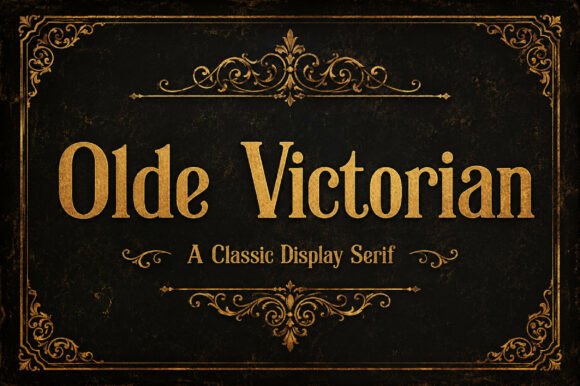
When you encounter Olde Victorian, you're not just looking at another serif font—you're meeting a typeface with genuine character. This display font draws directly from 19th-century typographic traditions, but it doesn't feel dusty or outdated. Instead, it carries that refined elegance forward with a polished confidence that feels surprisingly current.
What makes this typeface stand out visually? The high-contrast strokes create a dynamic rhythm across any line of text, while the rounded terminals soften what could otherwise feel rigid. It's this balance—between structural precision and organic warmth—that gives Olde Victorian its distinctive personality. The letterforms have a substantial visual weight without feeling heavy, and the decorative posture never overwhelms the actual message.
Think of it as the typographic equivalent of a beautifully restored Victorian home: detailed craftsmanship, intentional ornamentation, and an unmistakable sense of history that still feels welcoming rather than museum-like.
Where This Display Serif Truly Shines
Not every font works everywhere, and that's perfectly fine. Olde Victorian positions itself as a display font, which means it's designed for headlines, logos, and prominent text rather than long paragraphs of body copy. Understanding this distinction helps you use it effectively.
Branding and Logo Design
For logo design, this typeface brings instant sophistication. Luxury boutiques, artisan bakeries, craft distilleries, high-end grooming brands, and heritage-inspired clothing lines all benefit from that classic serif aesthetic. The font communicates quality, tradition, and attention to detail—values that resonate with discerning customers.
I've seen similar Victorian-era typefaces transform the perception of small businesses. A local coffee roaster switched from a generic sans serif to a period-inspired display font for their packaging, and the shift was remarkable. Suddenly, their products looked premium on the shelf without any price increase. Olde Victorian delivers that same kind of visual upgrade.
Editorial and Publishing Projects
Magazine headers, book covers, newspaper mastheads, and editorial design layouts benefit enormously from a typeface with this much personality. If you're working on a historical novel cover, a lifestyle magazine feature spread, or a vintage-themed cookbook, Olde Victorian provides that authoritative, established feeling readers associate with quality publishing.
Bloggers and content creators working in niches like antiques, interior design, classic menswear, or heritage travel will find this font particularly useful for featured images and social media graphics. It photographs well at larger sizes and creates visual hierarchy that stops the scroll.
Packaging and Print Design
Packaging design is where Olde Victorian really comes alive. Think craft beer labels, artisan chocolate wrappers, premium candle branding, wedding stationery, and bespoke event invitations. The font's decorative qualities work beautifully in print, where you can appreciate the subtle details in the stroke weight and terminal shapes.
For social media graphics and digital applications, keep in mind that display fonts need sufficient size to read properly. Use Olde Victorian for titles and headers in your web design projects, but pair it with a clean, readable typeface for supporting text.
Pairing Olde Victorian with Other Fonts
Every premium font needs good companions. The key to successful font pairing is contrast—pairing a decorative display serif with something simpler for body text.
A clean sans serif font works exceptionally well alongside Olde Victorian. Modern geometric sans serifs provide a contemporary counterpoint that keeps your design from feeling like a period costume. Alternatively, a simple, readable serif font for longer text passages creates a cohesive but varied typographic system.
Avoid pairing it with another ornate typeface. Two decorative fonts competing for attention creates visual noise rather than harmony. If you want additional flourishes, consider a subtle script font or handwritten font for accent text—but use these sparingly.
Practical Considerations Before Choosing
Before committing to any creative font for a project, a few practical steps help ensure the right fit.
- Test at actual size. Download the font and set your real headlines, not just "The quick brown fox." See how your specific words and letter combinations look.
- Check the character set. Does it include the punctuation, numbers, and special characters your project requires? Some display fonts have limited glyph coverage.
- Review included styles. Many professional typefaces offer multiple weights or stylistic alternates. Understanding what's available helps you build more versatile layouts.
- Evaluate readability. Beautiful letterforms mean nothing if your audience struggles to read them. Test the font with people unfamiliar with your project.
- Understand licensing. Commercial projects require appropriate licensing. Verify that the font's license covers your intended use—whether that's digital products, physical merchandise, client work, or app development.
Building a Brand Identity with Intention
Choosing a typeface like Olde Victorian isn't just an aesthetic decision—it's a strategic one. Your brand identity communicates before anyone reads a single word. The fonts you choose signal your values, your audience, and your positioning in the market.
This particular serif font tells people you value craftsmanship, heritage, and quality. It suggests a brand that takes itself seriously without being pretentious. For entrepreneurs and small business owners, that perception matters enormously when competing against larger, more established names.
The best design assets work harder than their price tag suggests. A thoughtfully chosen commercial font like Olde Victorian becomes a foundational element of your visual system—appearing across your website, printed materials, packaging, and social media graphics. That consistency builds recognition, and recognition builds trust.
Take the time to explore how this typeface fits your specific project. Set your business name in it. Mock up a label or header. Print it out and pin it to the wall for a day. The right font decision, made thoughtfully, pays dividends across every piece of communication you create.